Image - 2026-09-28 00:41
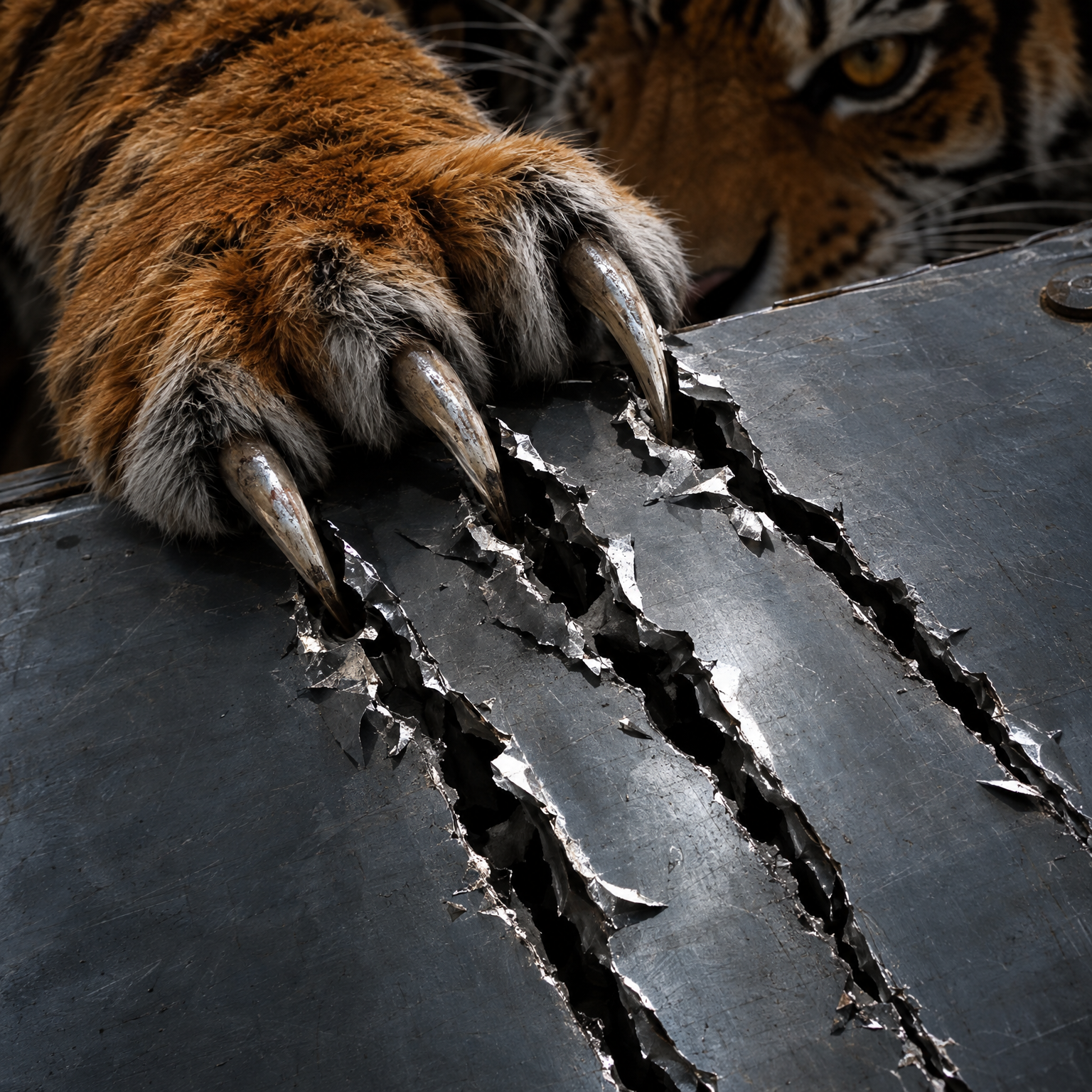
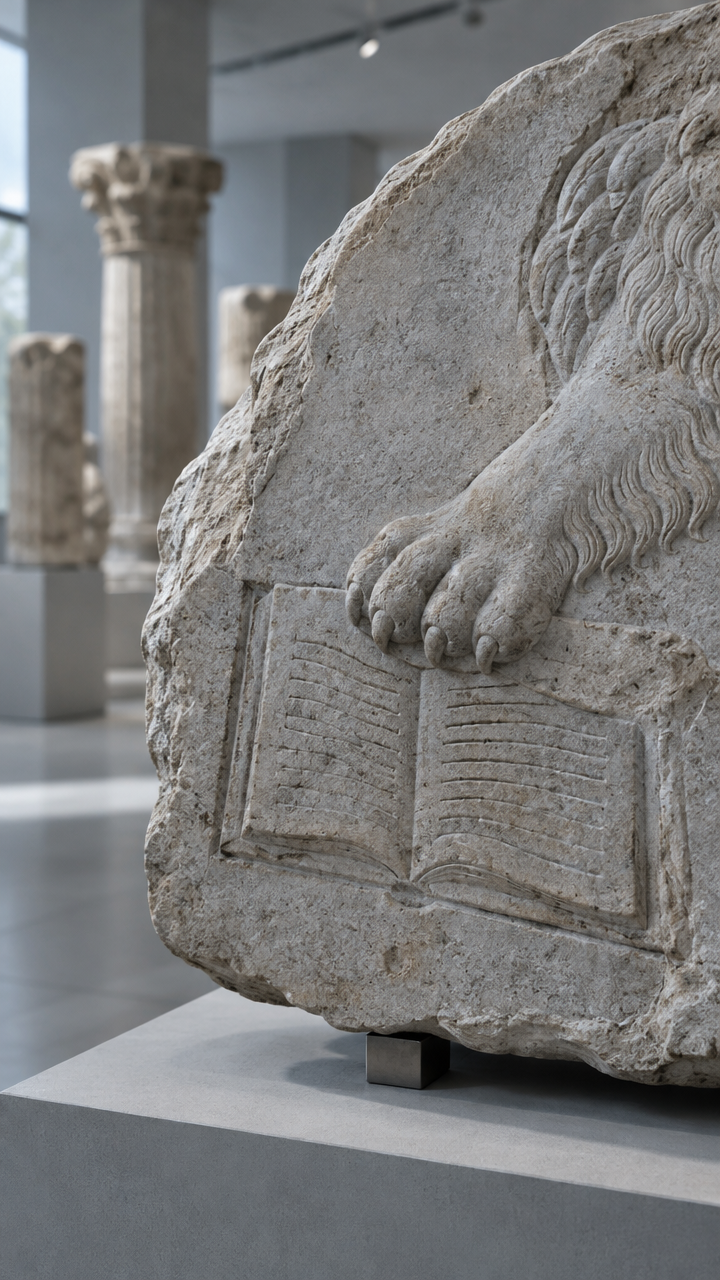
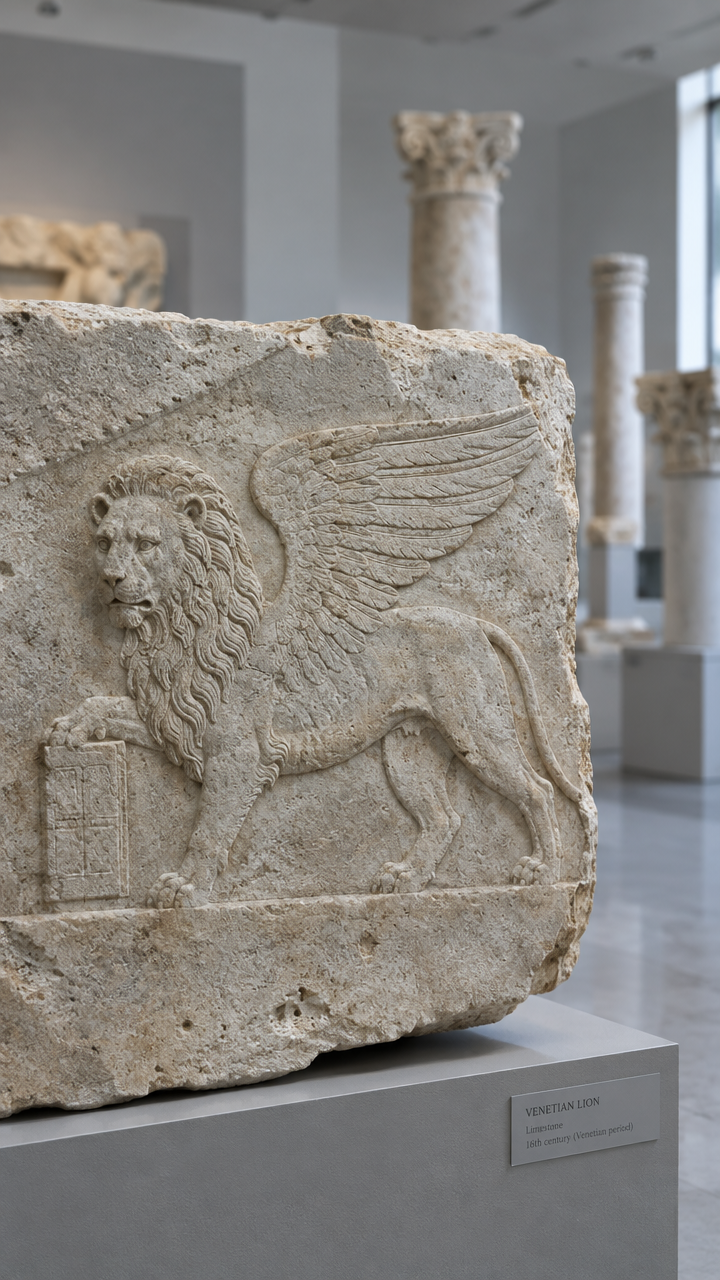
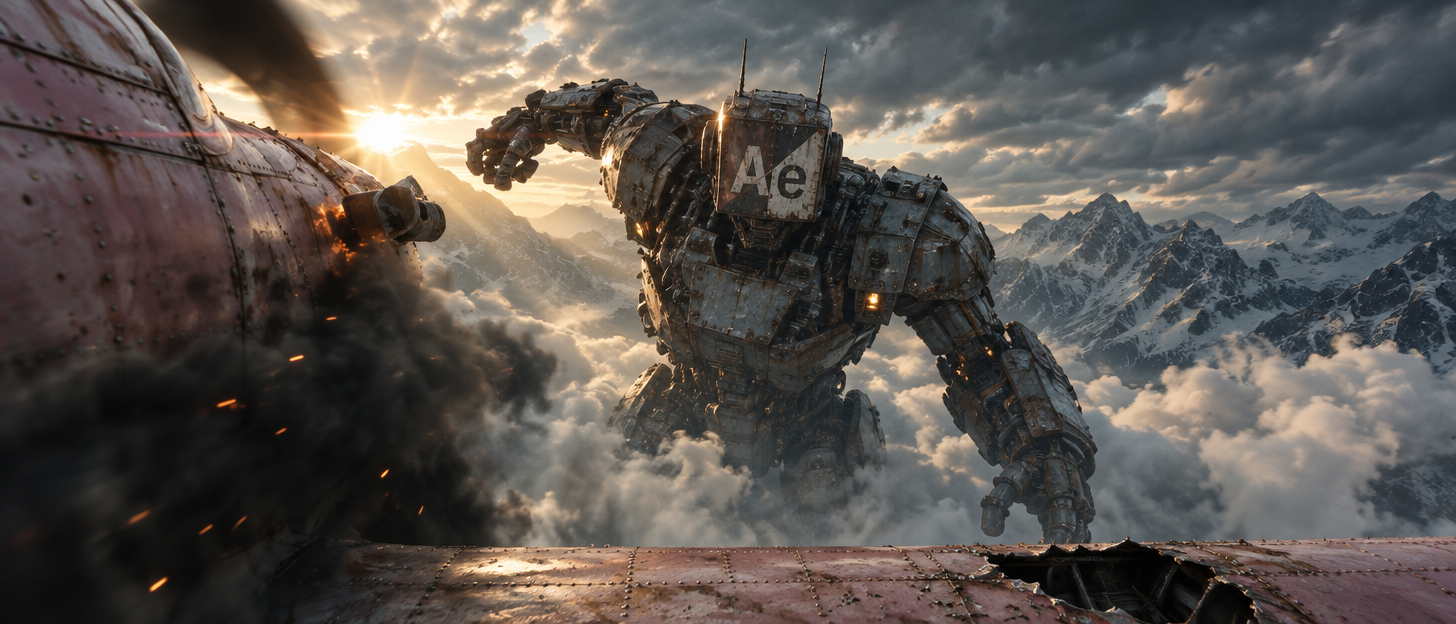
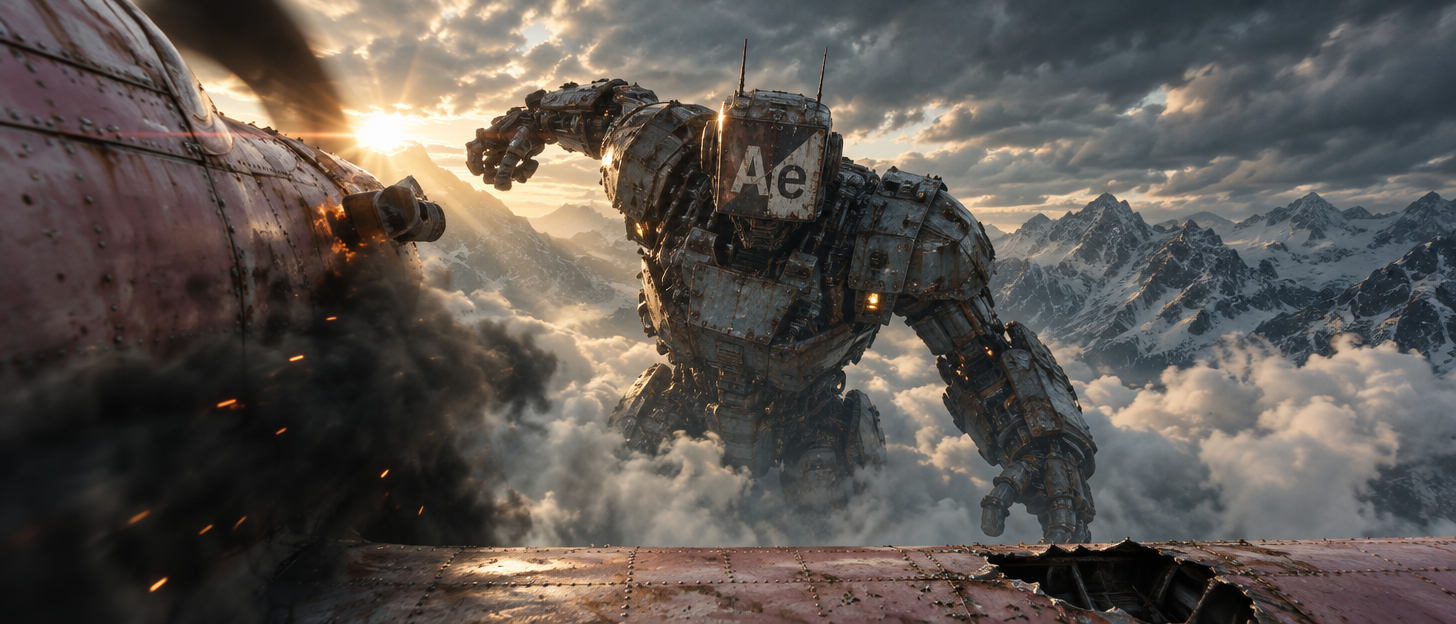
**CINEMATIC PHOTOREALISTIC 21:9 — STRICT REFERENCE CONTROL** Create a **photorealistic cinematic photograph**, captured as if on a real cinema camera. **Arri Alexa LF, 24mm cinema lens, T4, natural optical depth of field, realistic motion blur, physically plausible lighting and materials.** This must look like a frame from a high-budget live-action war film photographed in real conditions. **NOT CGI. NOT 3D. NOT a render. NOT concept art. NOT illustration. NOT a game asset.** --- ## STRICT THREE-REFERENCE HIERARCHY Use the three supplied references with completely separate responsibilities: ### REFERENCE 1 — CAMERA ANGLE / COMPOSITION ONLY Use Reference 1 **ONLY to determine the exact camera position, perspective, framing and composition**. The camera is physically mounted at the **front/nose of the aircraft and points forward/downward during a steep dive**. Match this framing logic exactly: * Along the **LEFT edge** of the image: the aircraft's own large, round, riveted engine cowling. * Along the **BOTTOM edge**: a visible section of the aircraft's own wing. * In the **TOP-LEFT corner**: the aircraft's own propeller, appearing as a **blurred spinning propeller disc**. * Strong aircraft-mounted POV perspective. * The aircraft fragments must remain partially cropped by the frame edges exactly as a real nose-mounted camera would capture them. **Do NOT copy the aircraft design, colors, markings, environment, lighting or subject from Reference 1. Copy ONLY its camera angle and framing.** --- ### REFERENCE 2 — MONSTER / TITAN: EXACT VISUAL IDENTITY Reference 2 controls the monster **1:1**. Reproduce the colossal titan with **maximum visual fidelity**. Do not redesign, reinterpret, modernize, simplify, stylize or substitute the creature. The titan must retain: * the same **elongated, brutish silhouette** * enormous **wide squared shoulders** * massive **square head** * the exact **white “Ae” marking embossed across the front of the head** * the “Ae” marking is **split diagonally**, with one half darker and one half lighter * thin **antenna rods** protruding from the top of the head * extremely long, heavy mechanical arms * large **clawed hands** * enormous thick **pillar-like legs** * weathered steel armor * visible rivets and panel seams * rust * chipped and worn paint * exposed mechanical hydraulics * warm amber mechanical lights * heavy industrial construction * the same aggressive posture * **one arm cocked backward in a powerful mid-wind-up pose** The titan's **upper body is fully visible above the cloud layer**. Its lower body and legs disappear naturally into the clouds due to its enormous scale. **The titan is the dominant central subject and must be large, sharp, unmistakable and highly detailed.** Every important armor panel, rivet, seam, hydraulic component and the **“Ae” marking must remain readable**. **Do NOT change the titan's proportions, head shape, armor design, pose, markings, materials or mechanical anatomy.** --- ### REFERENCE 3 — AIRCRAFT APPEARANCE ONLY Reference 3 controls **ONLY the visual appearance of the aircraft fragments visible in this image**. The aircraft seen from the camera must be the **exact same aircraft design represented in Reference 3**: * pale, faded pink paint * large round engine cowling * weathered riveted metal surface * chipped paint * rust and corrosion * aged, damaged military aircraft construction * same wing appearance * same propeller appearance The aircraft must have **NO markings whatsoever**: * no roundels * no letters * no numbers * no insignia * no logos * no symbols Do not invent another aircraft. **Only the aircraft fragments visible from the camera are allowed to appear.** --- # PRIMARY COMPOSITION The camera is mounted on the **front of the pale faded-pink aircraft**, which is committing to a violent **steep kamikaze dive toward the titan**. The aircraft's own **engine cowling dominates the LEFT edge** of the frame. The aircraft's own **damaged wing stretches across the BOTTOM edge**, with a clearly visible **torn hole / structural rupture** in the wing. The aircraft's own propeller occupies the **TOP-LEFT corner** as a partially cropped, heavily motion-blurred spinning disc. The camera is moving rapidly forward and downward, creating convincing high-speed cinematic motion. --- # ENGINE DAMAGE / SMOKE / FIRE Thick, dense **black piston-engine smoke** streams from the damaged cowling and trails **backward toward the camera**, following realistic airflow and the aircraft's forward momentum. The smoke must remain primarily around the aircraft's LEFT side and foreground and **must NOT cover the titan**. Small **orange sparks** naturally trail through the smoke. A **small localized orange engine fire** flickers around the cowling exhaust ports. The fire is limited to the damaged engine area — **no enormous explosion, no fireball, no Hollywood blast**. Smoke, sparks and fire must obey realistic airflow, scale and lighting. --- # CENTRAL TITAN **CENTER FRAME: THE TITAN IS THE PRIMARY SUBJECT.** The colossal “Ae” titan stands above the clouds, directly ahead of the diving aircraft. It is: * enormous * intimidating * aggressive * razor-sharp * mechanically detailed * strongly separated from the storm background The titan's **entire upper body must remain unobstructed**. Do not place smoke in front of its head or torso. Do not allow clouds to cover its shoulders, head, arms or upper torso. The titan must have a convincing sense of **extreme physical scale**, towering over the alpine landscape and cloud layer. The aircraft should feel tiny relative to the titan, while still occupying the required foreground edges. --- # ENVIRONMENT Behind the titan is a gigantic **snow-covered alpine mountain range**. Use towering rugged peaks with realistic snow accumulation, atmospheric perspective and winter conditions. Heavy **winter storm clouds** occupy the middle distance. The sky contains layered storm formations with cold blue-grey tones. The sun is positioned **low behind the mountain peaks on the LEFT side**. Strong but physically believable **golden god rays** break through gaps between the mountains and storm clouds. Warm sunlight creates subtle golden rim/backlight around the titan, especially along the head and shoulders. The titan's head catches the warm backlight and remains **clearly readable against the darker storm sky**. Snow, clouds and distant mountains remain cooler blue-grey, producing a natural warm-versus-cool cinematic contrast. Subtle realistic **anamorphic-style lens flare** from the low sun, restrained and optical rather than artificial. --- # PHOTOGRAPHIC REALISM Everything must behave like a real photograph: * physically plausible materials * realistic atmospheric scattering * natural volumetric light * realistic metal reflections * authentic weathering * realistic snow texture * believable cloud density * natural lens characteristics * realistic motion blur on the propeller * subtle depth separation * realistic exposure * natural highlight roll-off * restrained cinematic color grade * natural filmic contrast * no HDR look * no excessive clarity * no oversharpening * no artificial glow around objects * no plastic surfaces The titan is extremely detailed but **must still look physically photographed**, not digitally rendered. Use realistic imperfections and optical behavior associated with a real **Arri Alexa LF** capture. --- # VISUAL PRIORITY **Priority order:** 1. Exact Reference 1 camera angle and framing 2. Exact Reference 2 titan identity, proportions, armor and pose 3. Exact Reference 3 aircraft appearance 4. Central titan readability 5. Photorealistic live-action cinematography 6. Alpine storm environment and dramatic natural lighting 7. Aircraft damage, smoke, sparks and localized engine fire Do not allow secondary effects to compromise the titan's visibility. --- # ABSOLUTE NEGATIVE CONSTRAINTS **Only ONE aircraft exists in the entire image.** The aircraft carrying the camera is the **only aircraft**. Absolutely NO: * second aircraft * distant aircraft * aircraft silhouette in the sky * aircraft near the titan * bomber formation * fighter escort * extra propeller aircraft * duplicate aircraft parts * floating aircraft debris resembling another plane No additional vehicles of any kind. No extra characters. No humans. No pilots visible. No weapons platforms. No text anywhere except the **“Ae” marking on the titan's head**. No aircraft markings, insignia, roundels, letters or numbers. No logos or watermarks. No futuristic aircraft redesign. No alternate monster design. No humanoid reinterpretation. No cartoon appearance. No anime. No illustration. No concept-art appearance. No 3D-render appearance. No game-engine appearance. No plastic CGI surfaces. No excessive fog hiding the titan. No clouds covering the titan's head or upper body. No smoke obscuring the titan. No giant explosion. No excessive lens flare. No HDR. No oversaturated colors. No oversharpening. No artificial outlines. --- **FINAL IMAGE:** A single real-looking cinematic photograph from a nose-mounted camera on a battered pale-pink aircraft plunging toward a colossal, exact-reference “Ae” mechanical titan towering above snow-covered Alpine mountains and storm clouds, with the aircraft cowling locked to the LEFT edge, damaged wing locked to the BOTTOM edge, blurred propeller in the TOP-LEFT, black engine smoke and small sparks streaming toward the camera, a small localized engine fire, and the enormous sharply resolved titan dominating the center against golden backlight and a cold winter storm. **Aspect ratio: 21:9.**
Free to start · Generate videos and images with AI in seconds
More from this creator


More Gpt Image 2.5 images
См. все →