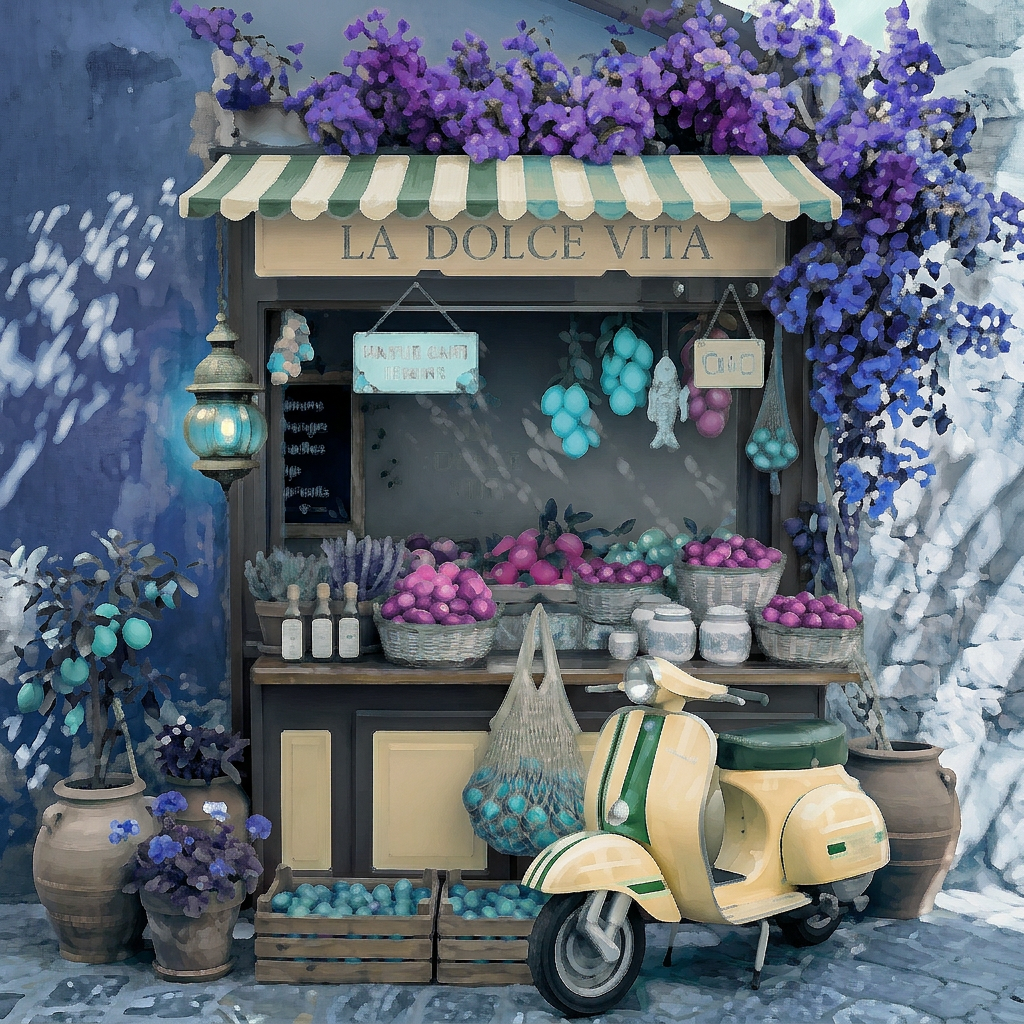
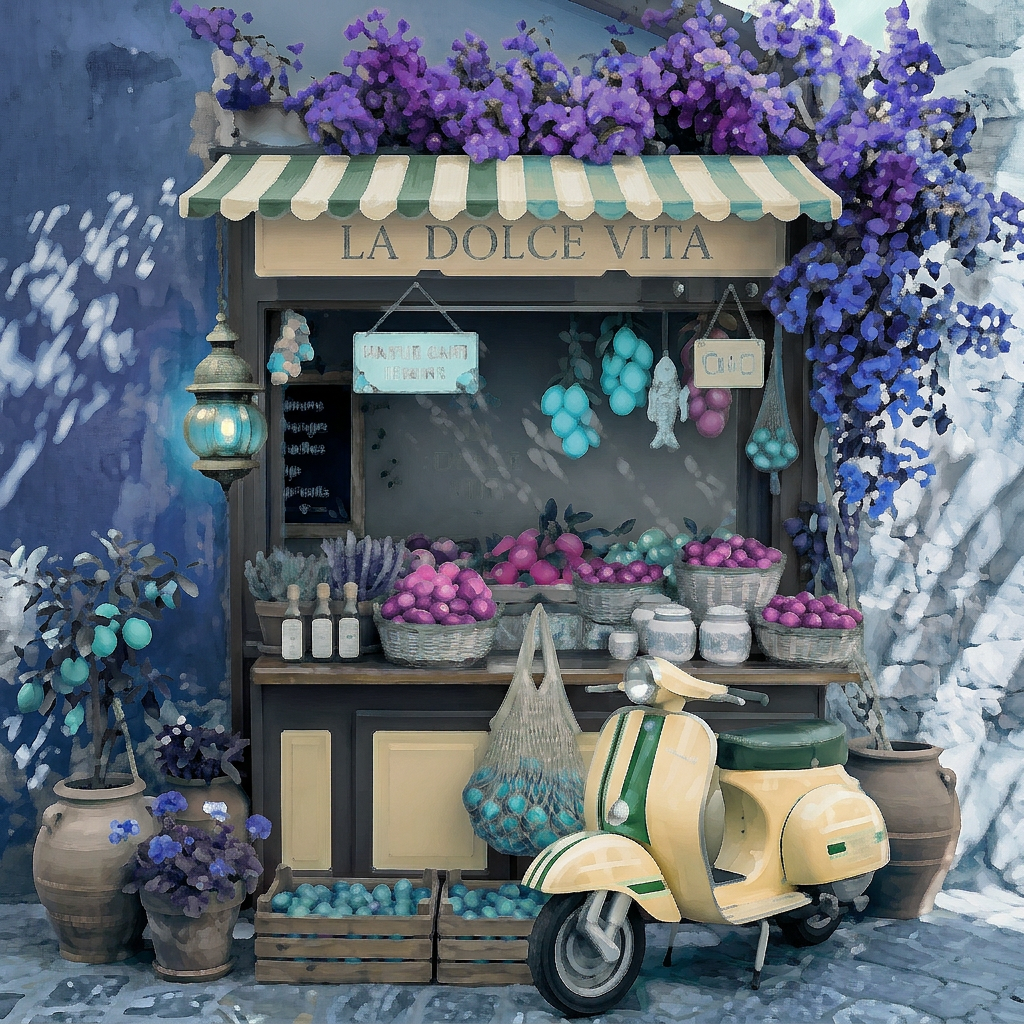
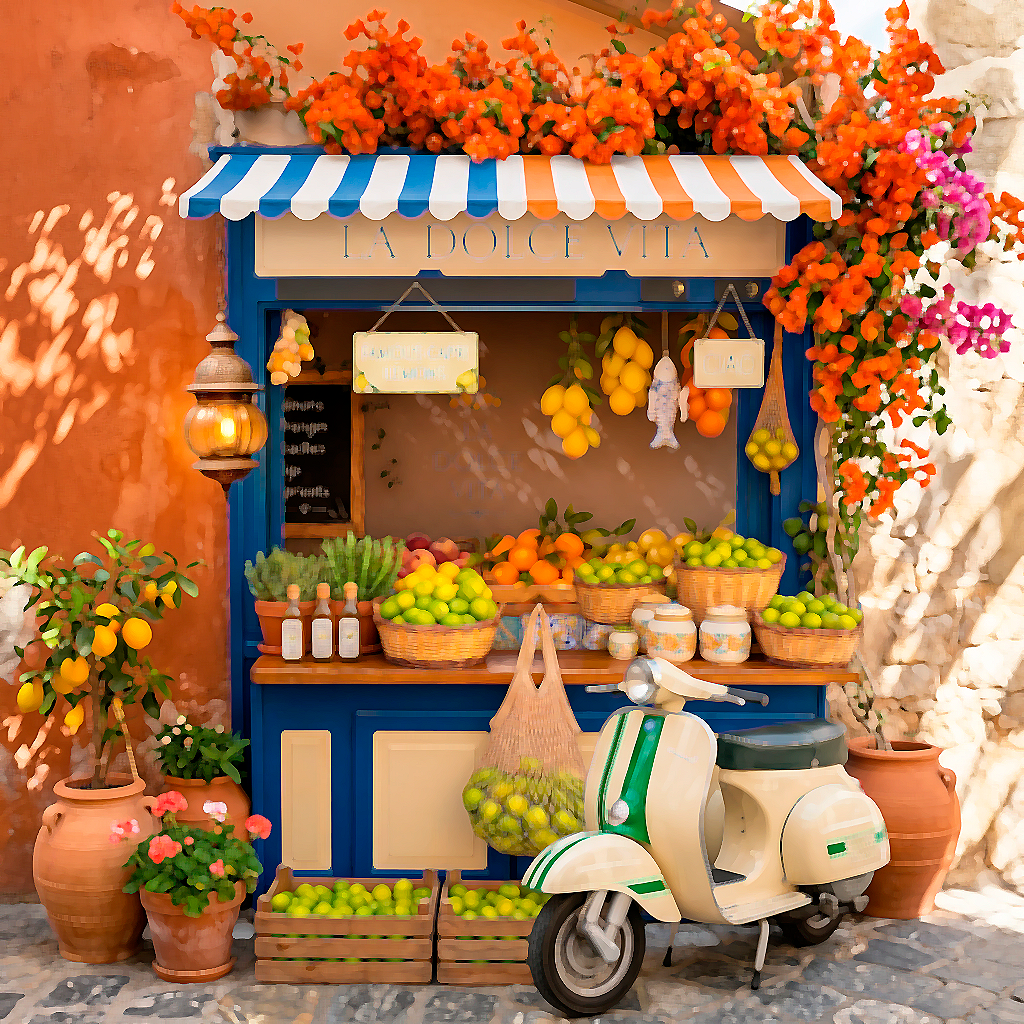
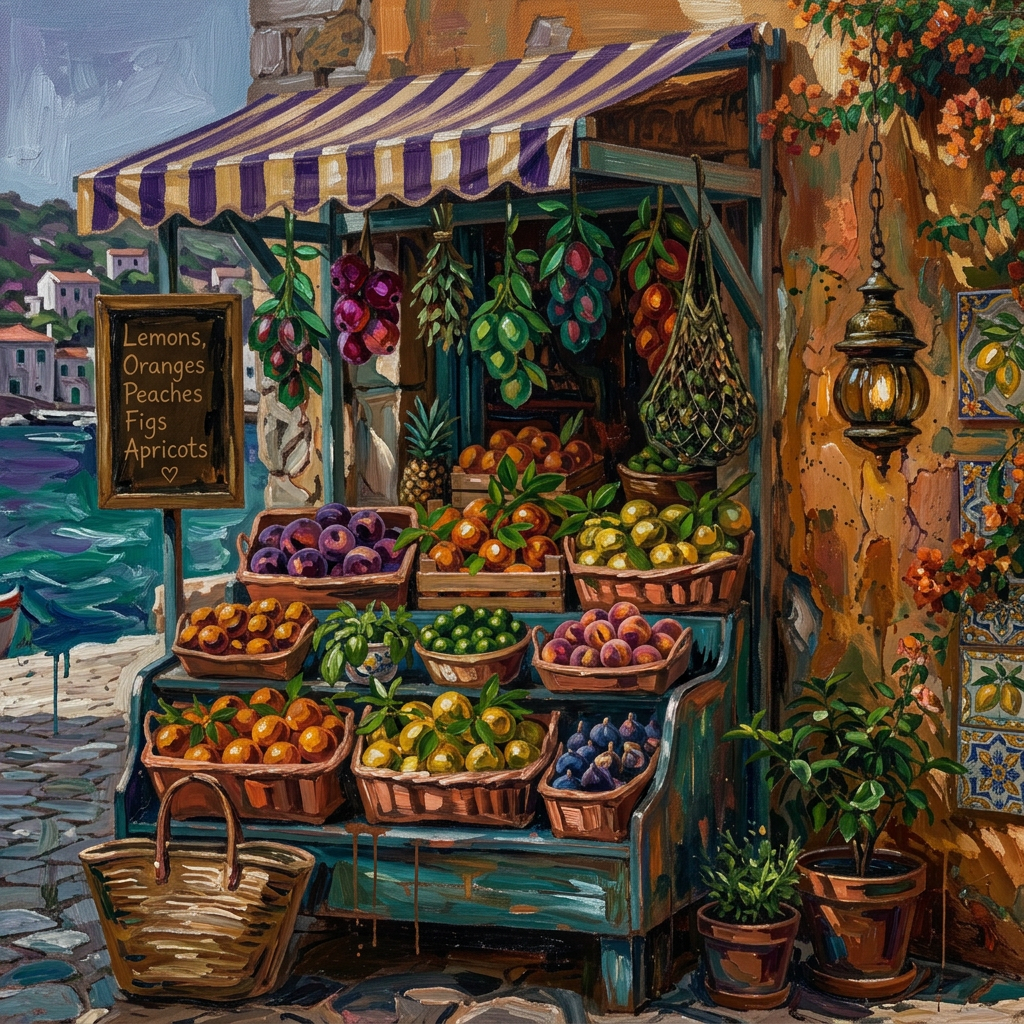
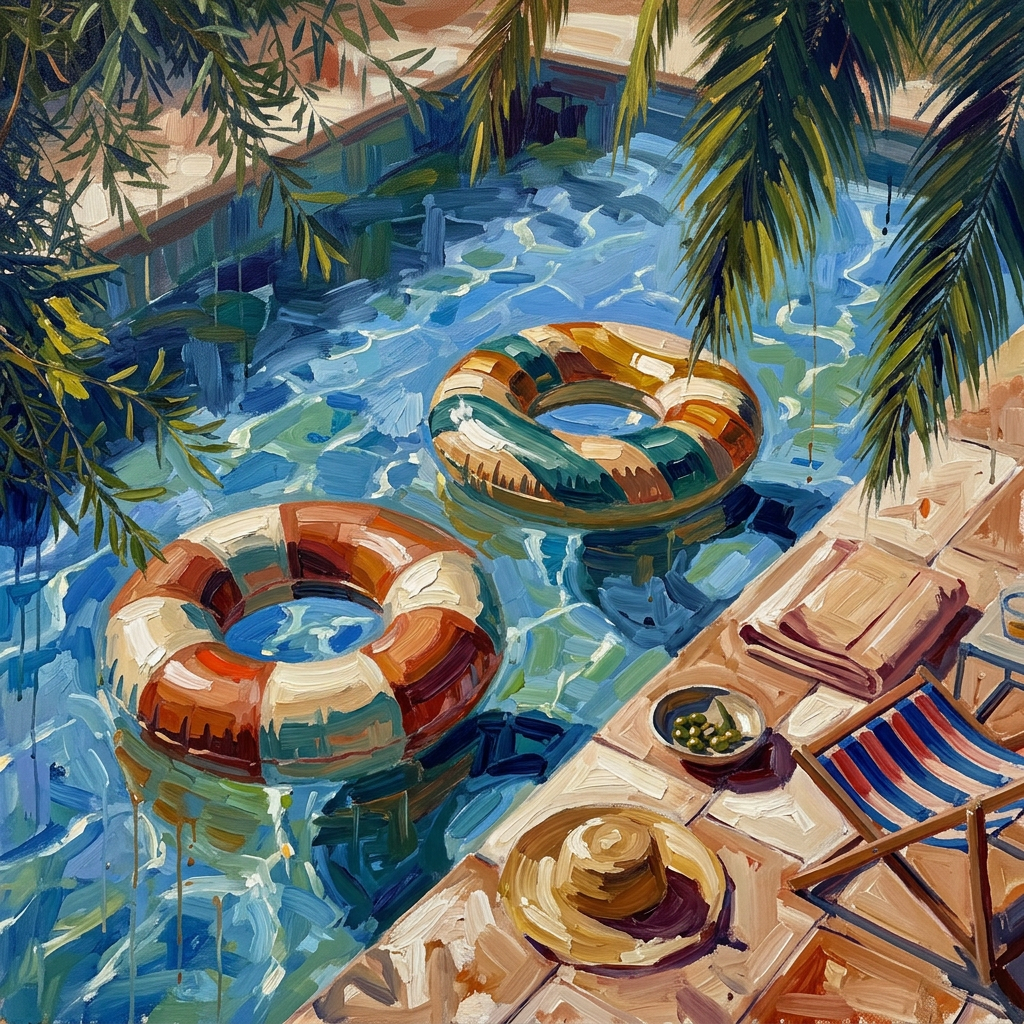

Transform the input image into a richly painterly contemporary oil painting while preserving the original composition, objects, proportions, perspective and overall structure. **Ignore the original colors, hues and color palette completely — focus exclusively on the style and manner of painting.** Create a highly expressive, tactile oil-paint surface with clearly visible, confident brushstrokes. Use varied brushwork: broad loaded strokes for large masses, shorter directional strokes for details, dry-brush passages, broken strokes and occasional thick impasto. Let individual brush marks remain visible rather than blending everything into smooth gradients. Simplify forms through painterly masses and tonal relationships rather than precise rendering. Edges should vary naturally: some areas sharply defined, others soft, broken, partially lost or merging into neighboring shapes. Allow paint to slightly overlap beyond forms and create small irregularities, imperfect contours and spontaneous marks. Avoid perfectly clean edges and excessive precision. Preserve a strong sense of volume through layered paint, tonal shifts, overlapping brushstrokes, light and shadow, while maintaining a loose and artistic interpretation of the subject. Surfaces should feel physically painted, with visible pigment, canvas texture, subtle impasto, uneven paint thickness and natural variations in brush pressure. The result should look like an authentic **hand-painted contemporary oil artwork**, expressive, atmospheric, slightly raw and spontaneous, with a sophisticated painterly language. Avoid photorealism, digital smoothness, airbrushing, plastic surfaces, vector-like shapes, overly detailed rendering, uniform brushstrokes, or a polished CGI appearance. **Do not imitate or preserve the reference image's colors — transfer only its painterly character, brushwork, texture, edge treatment and overall manner of painting.**
Free to start · Generate videos and images with AI in seconds