Image - 2026-08-29 19:07
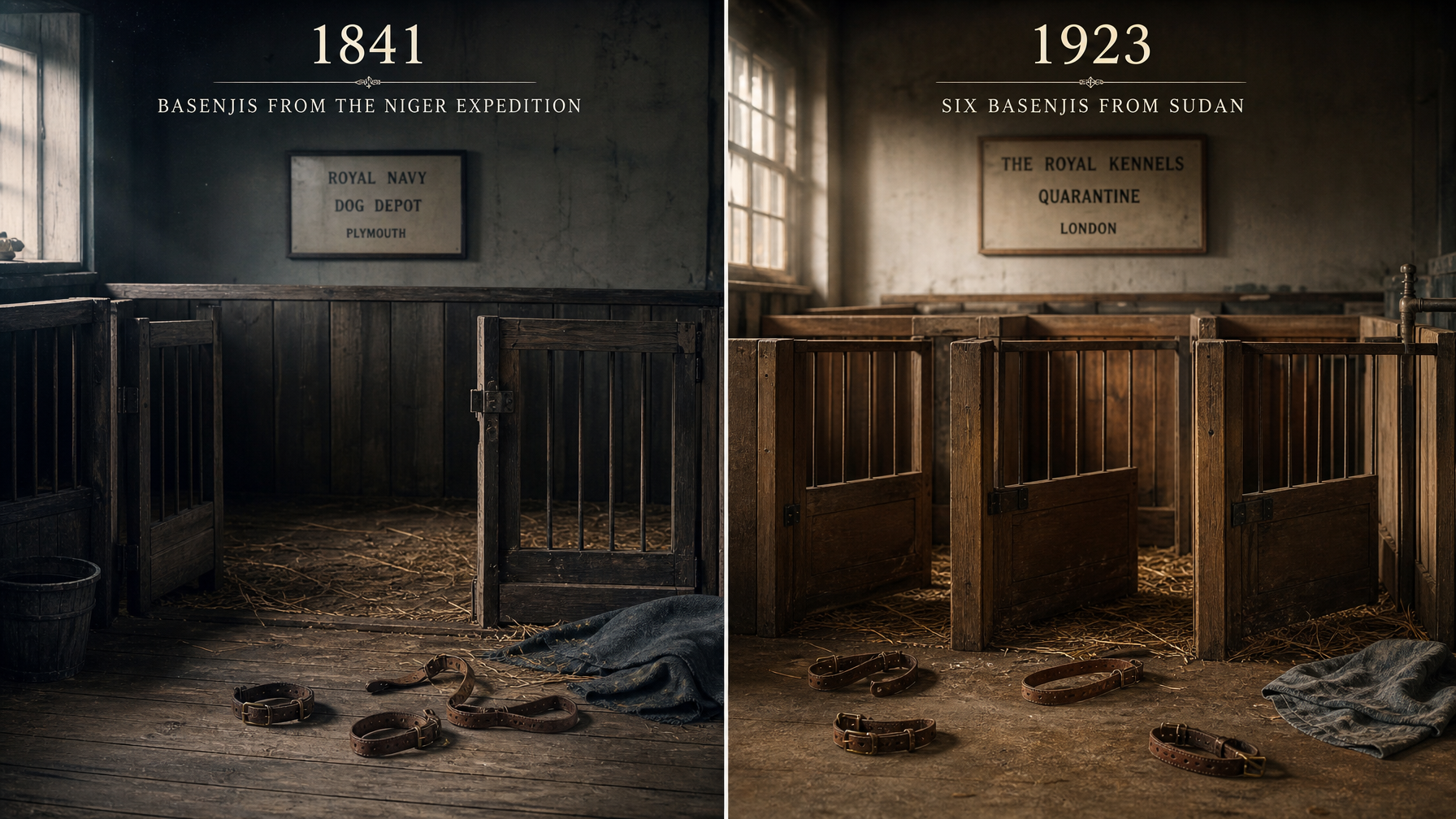
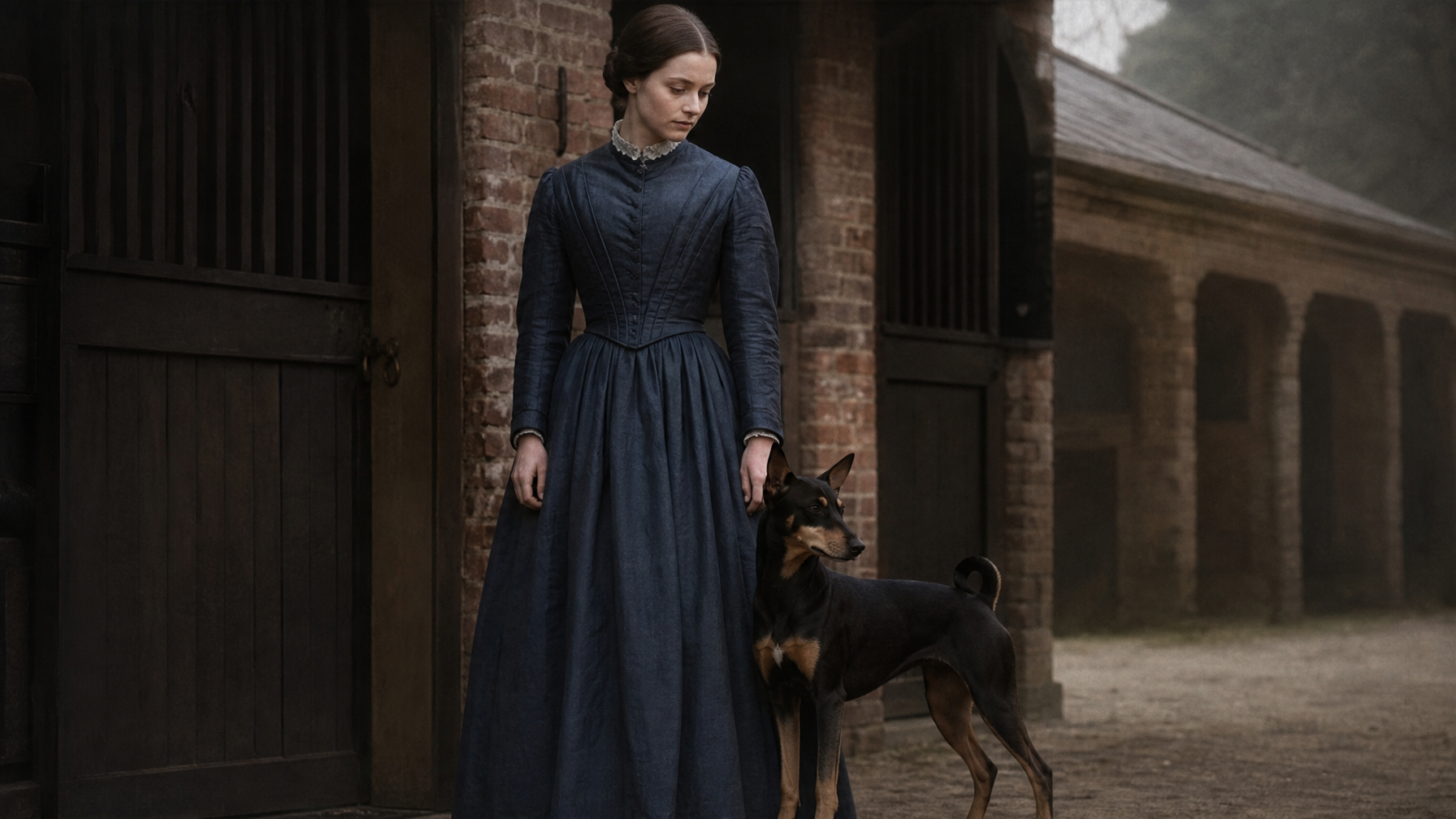
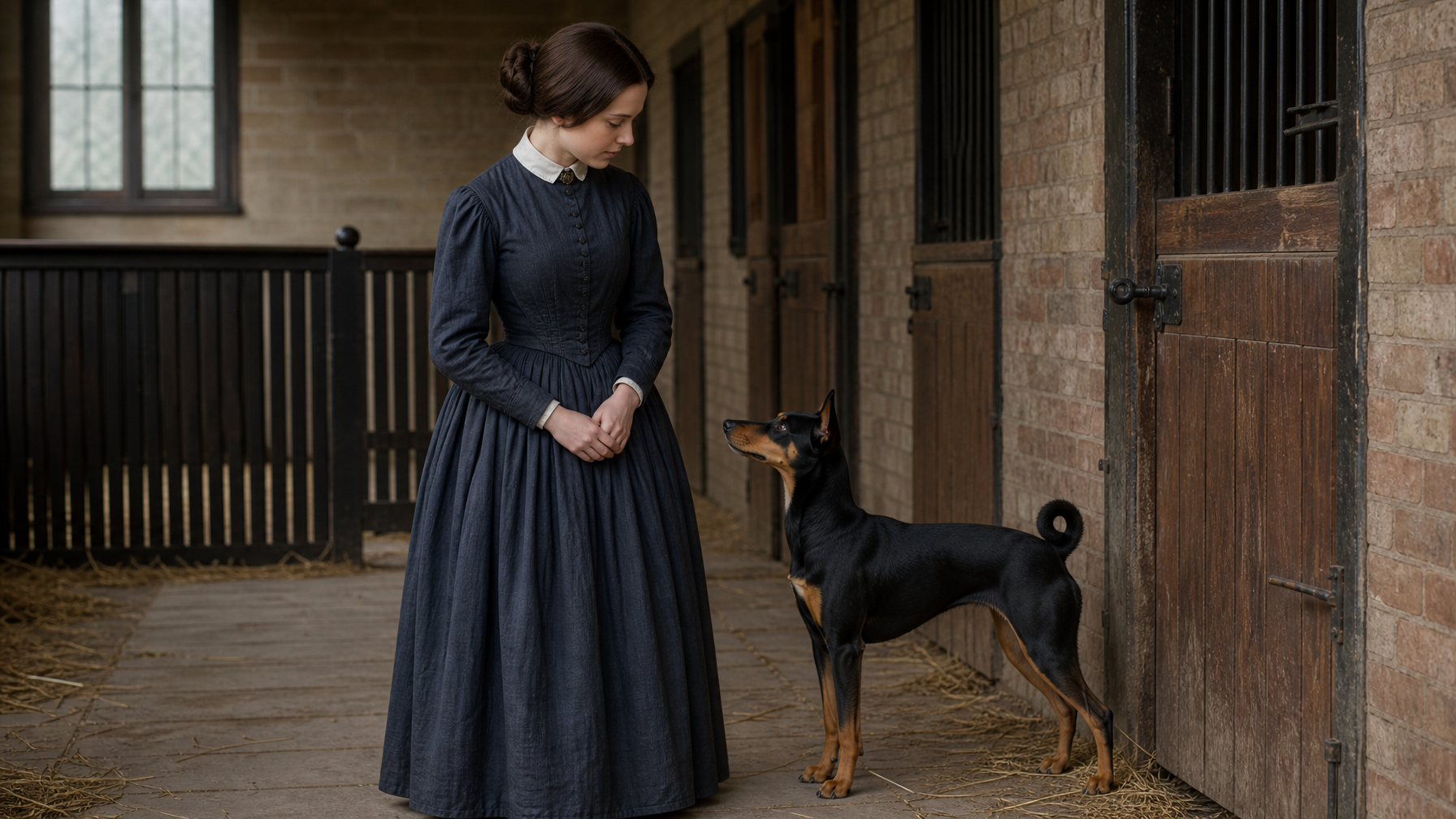
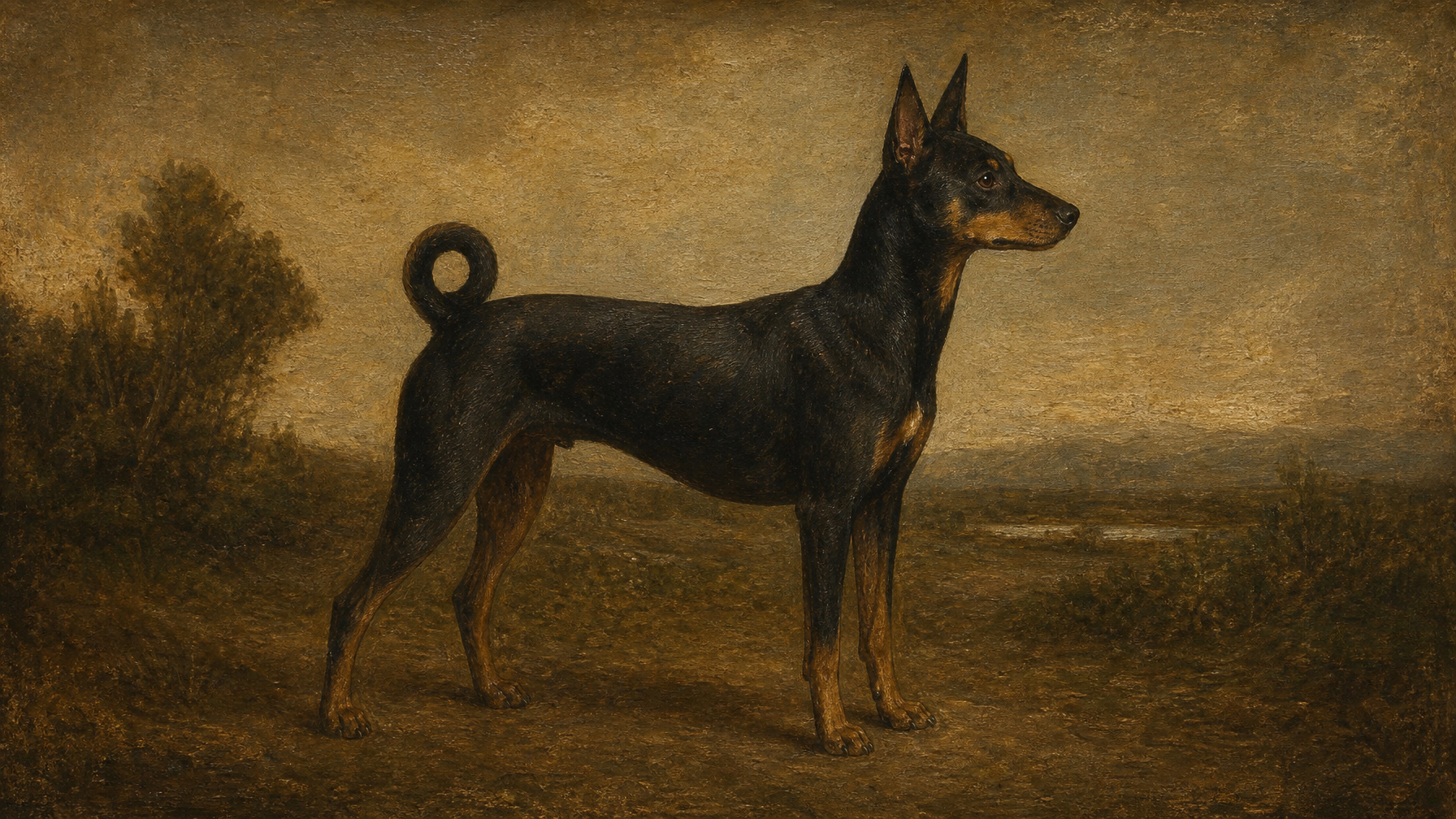
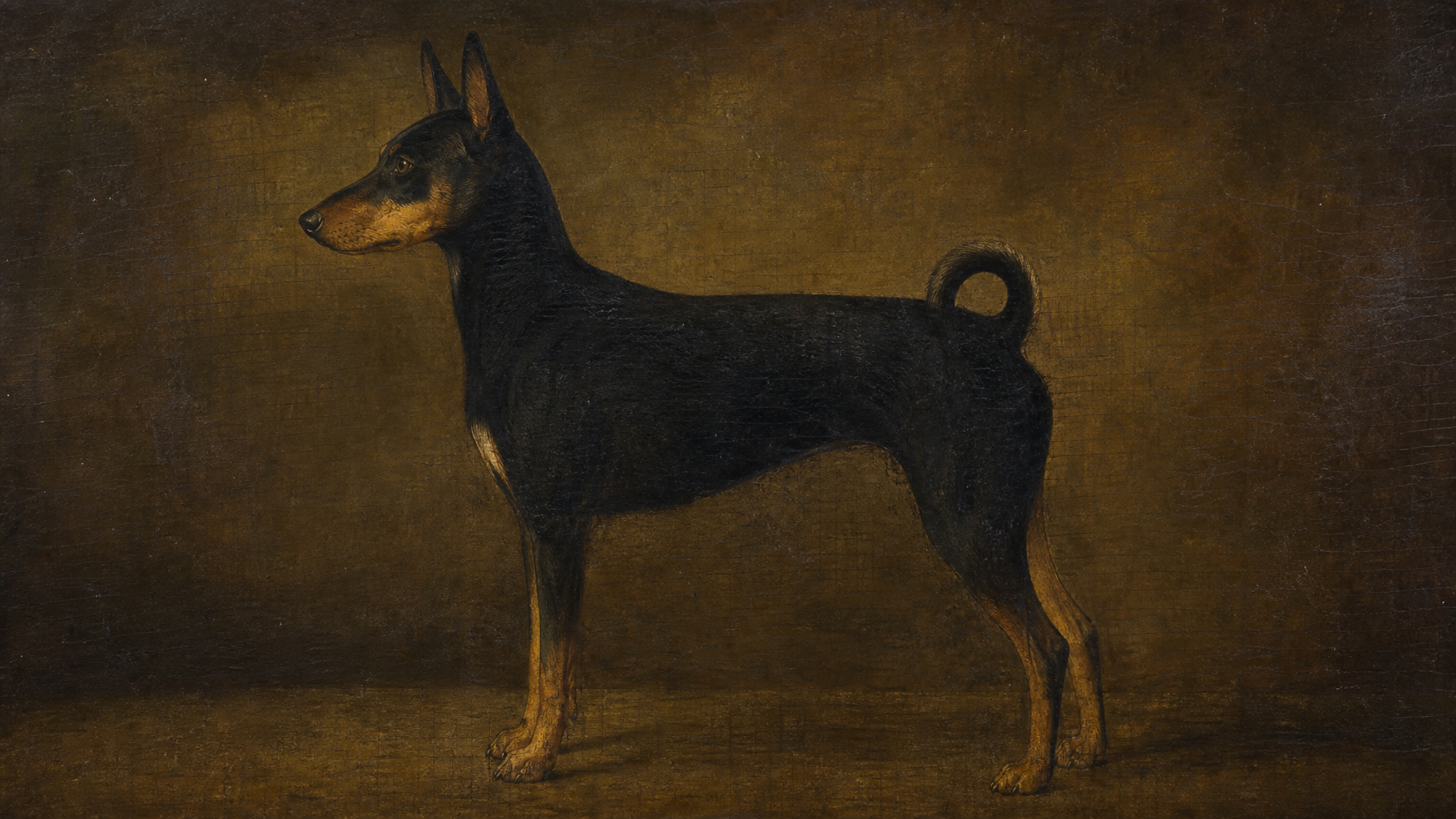
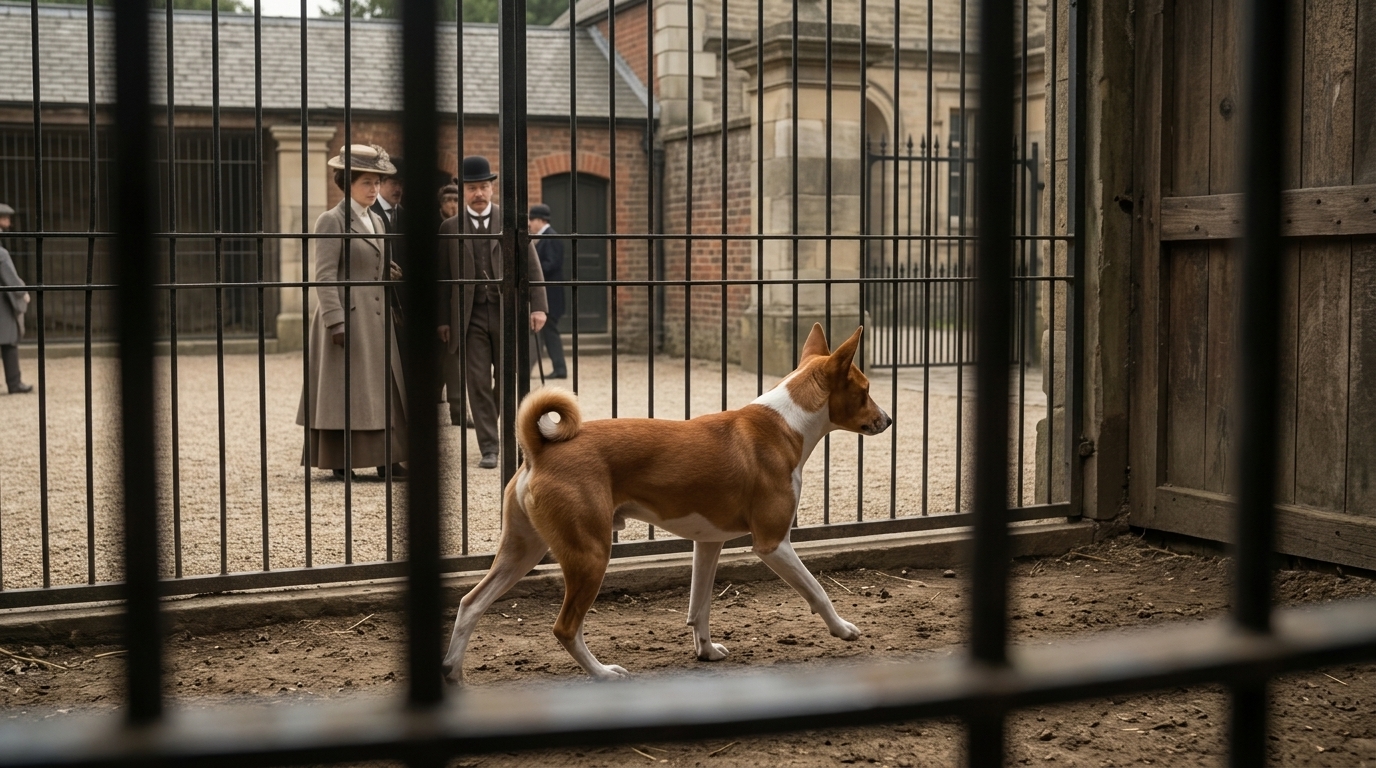
Create a photorealistic cinematic historical reconstruction as a single vertical split composition with two equal halves. LEFT HALF — 1841: A small group of Basenji dogs associated with the Niger expedition is shown in a historically appropriate British setting shortly after their return from the expedition. The Basenjis are clearly recognizable as Basenjis: small-to-medium elegant athletic dogs, short smooth coats, upright pointed ears, narrow refined heads, dark almond-shaped eyes and tightly curled tails. The visual story is that these Basenjis did not survive. Show the aftermath through an empty wooden dog enclosure and abandoned Basenji collars, with no dead animals visible. RIGHT HALF — 1923: Six Basenjis brought from Sudan are represented by several empty wooden quarantine enclosures in a British kennel. Basenjis must be clearly recognizable from the visual context and established breed appearance, but no dead animals are shown. A few removed Basenji collars remain behind, emphasizing that the dogs are gone. The two halves must communicate one powerful visual idea in the same frame: 1841 and 1923, two separate historical episodes involving Basenjis, ending in exactly the same result — the Basenjis did not survive and only empty spaces and abandoned collars remain. Do NOT visually depict Niger or Sudan as countries or locations. No maps, flags, rivers, African landscapes, geographical symbols or travel scenes. Niger and Sudan are only the origins of the Basenjis mentioned in the narration. The composition should feel like a serious historical documentary, not a modern graphic collage. Clean vertical division between the two periods, strong visual symmetry, simple readable composition. Both halves should feel historically authentic but clearly belong to different periods. Natural aged wood, period materials, restrained dark cinematic palette, muted earthy brown and blue-grey tones, realistic natural lighting, atmospheric depth, subtle film grain. The Basenjis shown or referenced must have realistic Basenji anatomy and proportions: elegant compact body, short smooth coat, upright ears, refined narrow head and tightly curled tail. Never depict generic African dogs, village dogs, terriers or mixed breeds. No dead dogs, no corpses, no gore, no suffering. No modern objects. No fantasy. No anthropomorphism. No glossy AI aesthetic. No excessive environmental detail. No unnecessary objects. No modern graphic design elements. Animate this historical composition very subtly while preserving the generated image exactly. The two halves remain completely separate and visually unchanged. The empty kennel spaces and abandoned Basenji collars are the main meaning of the scene. Add only minimal natural movement: very subtle ambient light changes, faint dust movement and barely perceptible movement of loose paper or fabric if present. Do not add or remove any dogs, people, objects or environments. Do not transform the empty spaces into new scenes. IMPORTANT: if the image contains dates, labels or any other written text, treat them as fixed graphic elements. Keep every letter and number completely static and unchanged. Do not animate, redraw, morph, distort, replace or reinterpret text. Do not introduce Niger or Sudan as visual locations. Do not add maps, flags, rivers, landscapes or geographical imagery. No camera movement. No zoom. No pan. No transitions. No morphing. No text animation. No visual transformation. No audio, dialogue, music or sound effects.
Free to start · Generate videos and images with AI in seconds
More from this creator

More GPT Image 2 images
См. все →